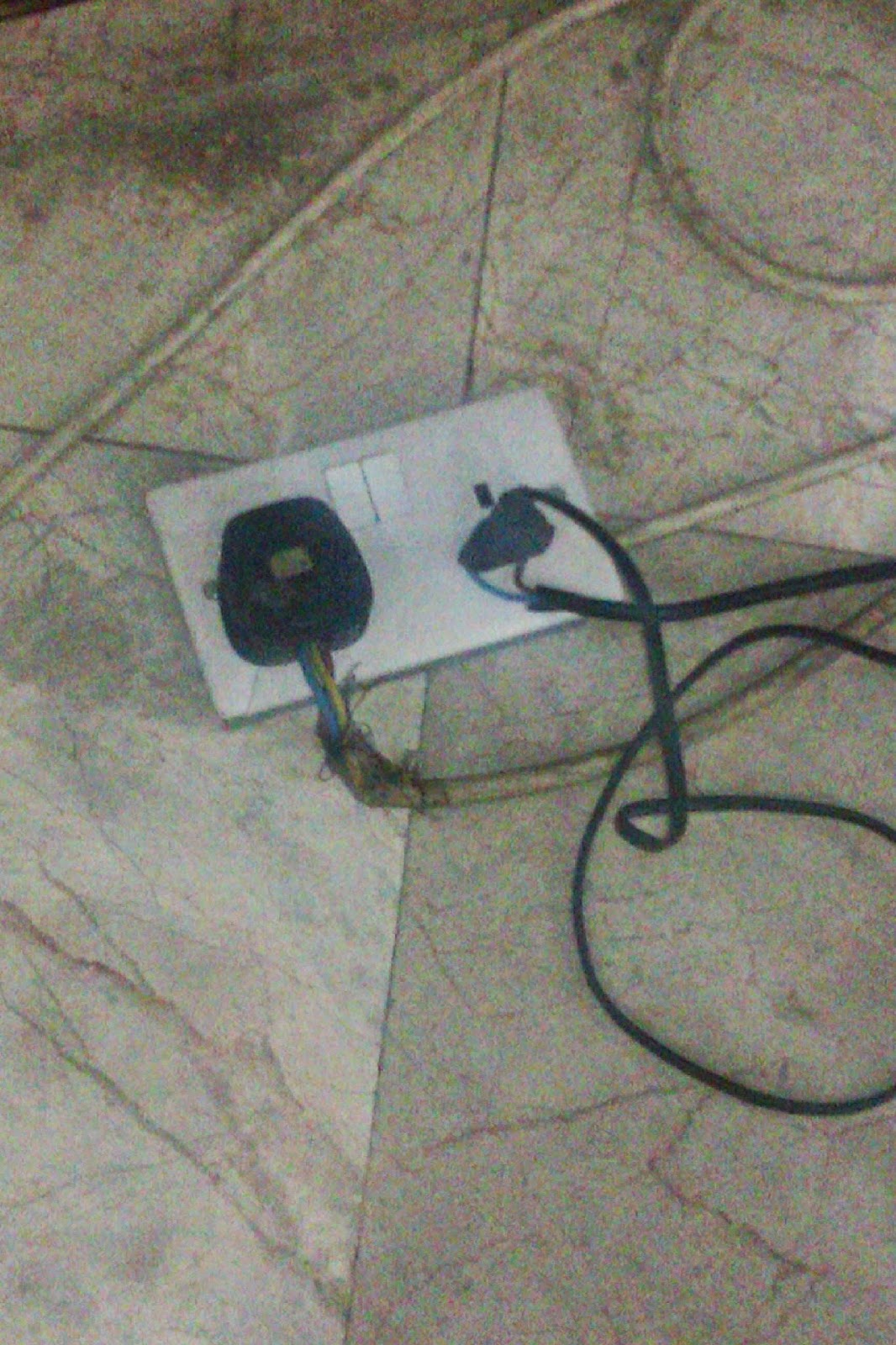
Observing the risk in the work environment by carrying out a risk assessment allows for a better appreciation of the hazards in the work place and their risk profile (likelihood and severity)
It helps to have an idea of associated hazards in the work place.
Below is hazards. causes of accidents and type of injury from these accidents.
Assessing the number of First Aiders to be needed in your work environment with the chart below allows the organisation to establish the number of First Aiders that would be needed in the work environment. Some work places depending on the number of workers around may not necessarily have First Aiders but will still have to make provision for the First Aid box and appoint an individual who would take on the role as a First Aider in an emergency situation with a basic understanding of the requirements of a First Aider

The basic role and responsibility of a First Aider is illustrated below. Following DRSABCD guides the First Aider in administering the First Aid. First is defined as the first response given to an ill or injured person until full medical help arrive. The idea is to make the injured party feel relaxed and reasonably comfortable, keeping the individual interacting to avoid them going into shock and gather as much information to be passed on to the Ambulance Crew. Remember the first step is to always assess the dangers around and to ensure you do not put yourself and others including the injured party at any further risk.
Using some of the kit in the First Aid box, is illustrated below always remember a First Aider is not a medical practitioner and so is not qualified to administer any medicine such as pills or injections
It is advised that as a First Aider one has to be trained and certified to ensure competence in their role and a better understanding of their responsibility in carrying out their duty. The
St.Johns Ambulance offers First Aid training that would equip your First Aiders.